


Managing stress
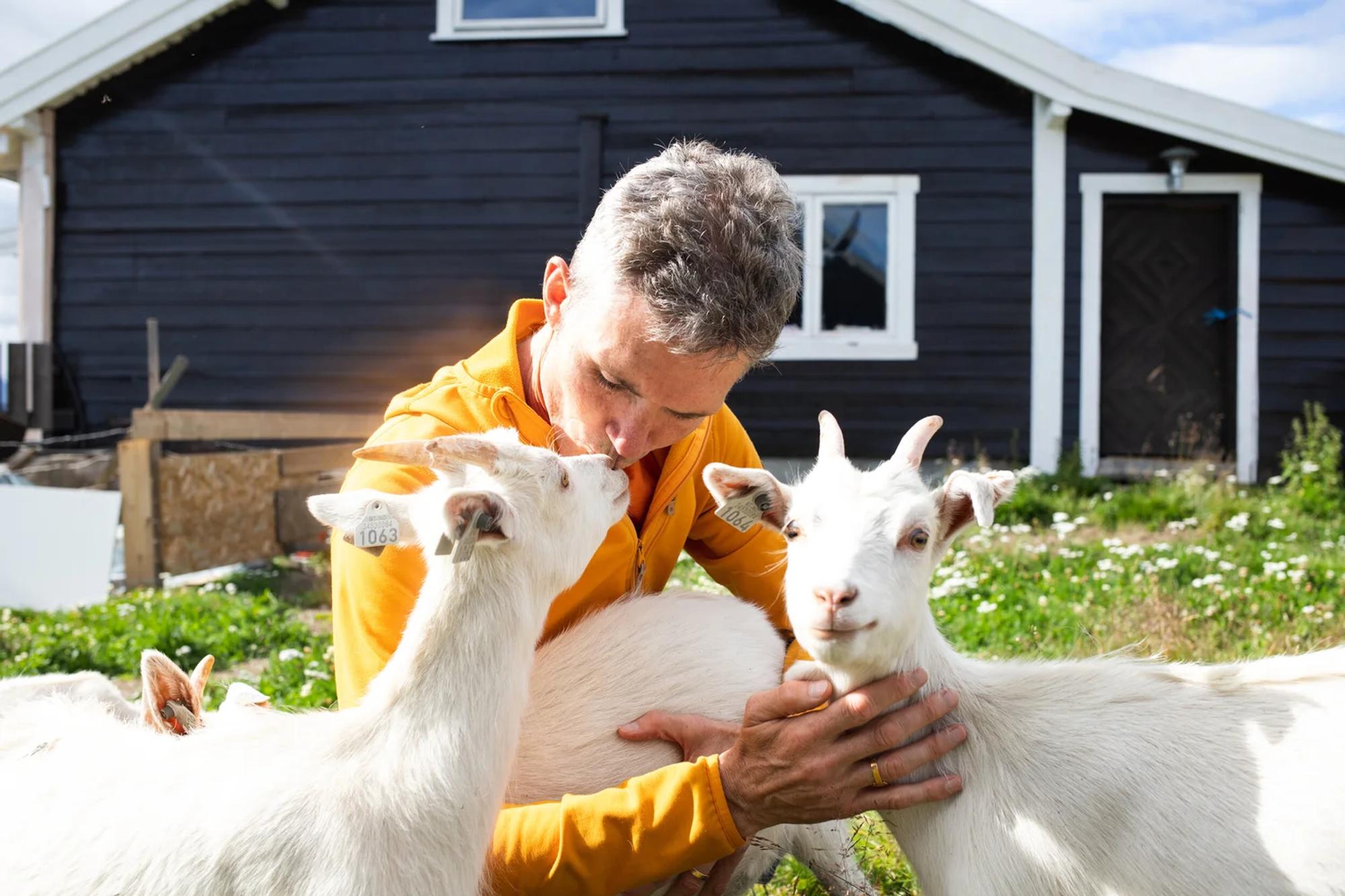
Why do some people seem to withstand "everything" while others are knocked out by the smallest uphill? Is resilience something we are born with, or something we can learn?
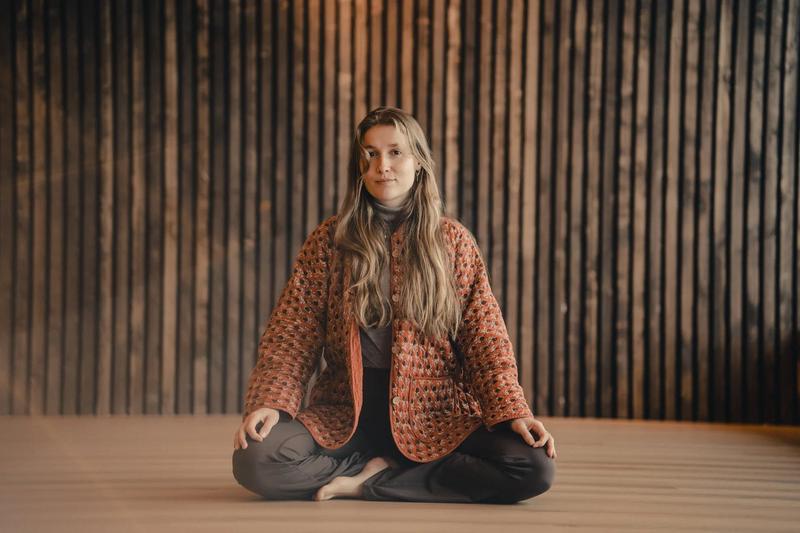
We talked to Alexander to perhaps find the answer. Because to tell the truth, there is something about him that keeps amazing us. How does this man keep so many balls in the air and still stay focused, attentive and apparently content with life?
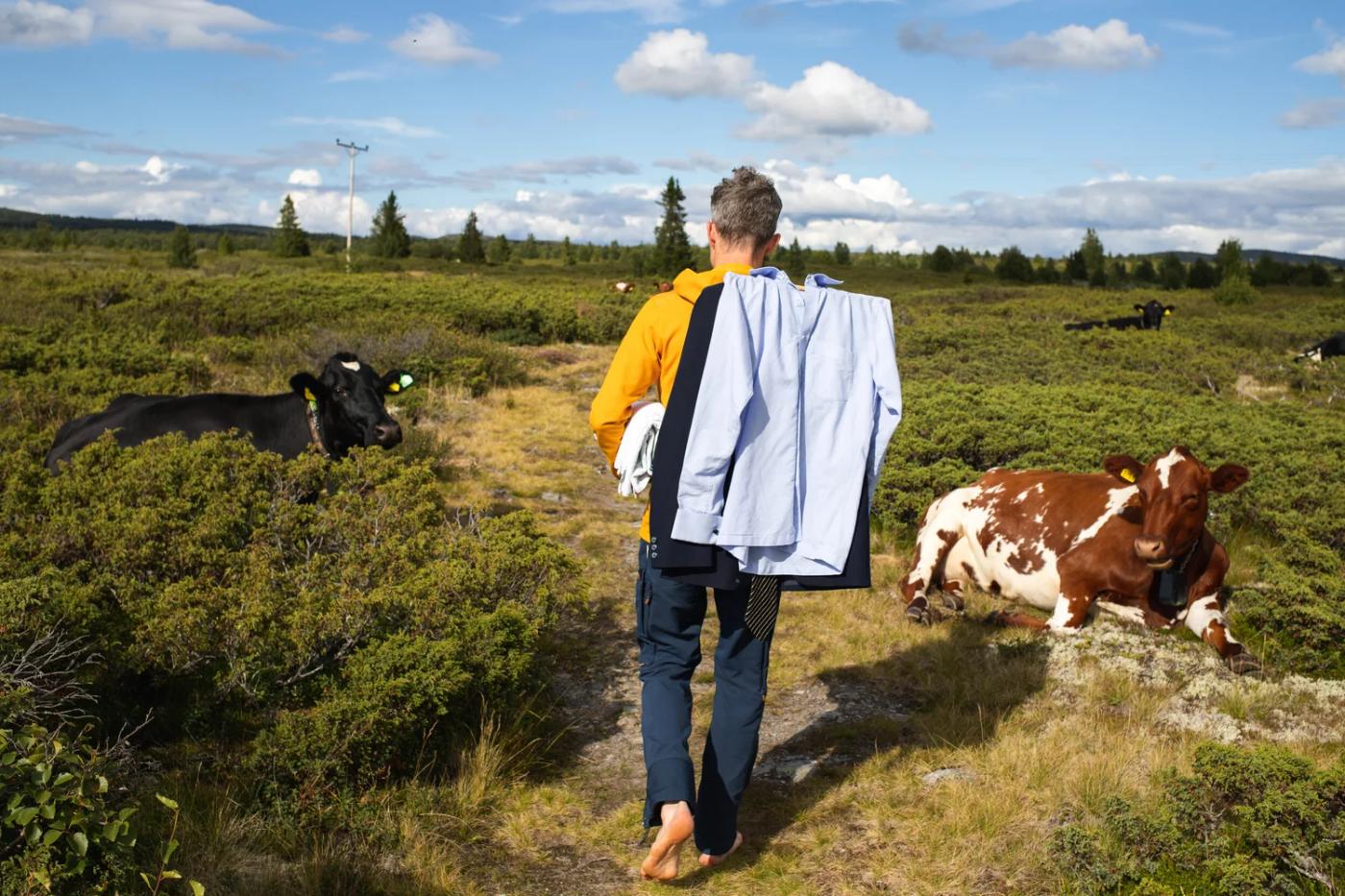
We know the answers can be long and intricate, so we have limited it to three concrete everyday challenges that cause stress:
- Too little sleep
- Too many interruptions in everyday life
- No time for exercise, seeing friends, reading books and so on
Dear Alexander, you are the father of young children, a husband, a hotel owner, hotel director, managing director of BITR, a yoga teacher and very active in running Nøsen, which has just begun an extension of the hotel and is planning more building. What lets you, in the middle of all these tasks, be the positive and inspiring guy you are? Which techniques do you use so as not to suffer from the points above?
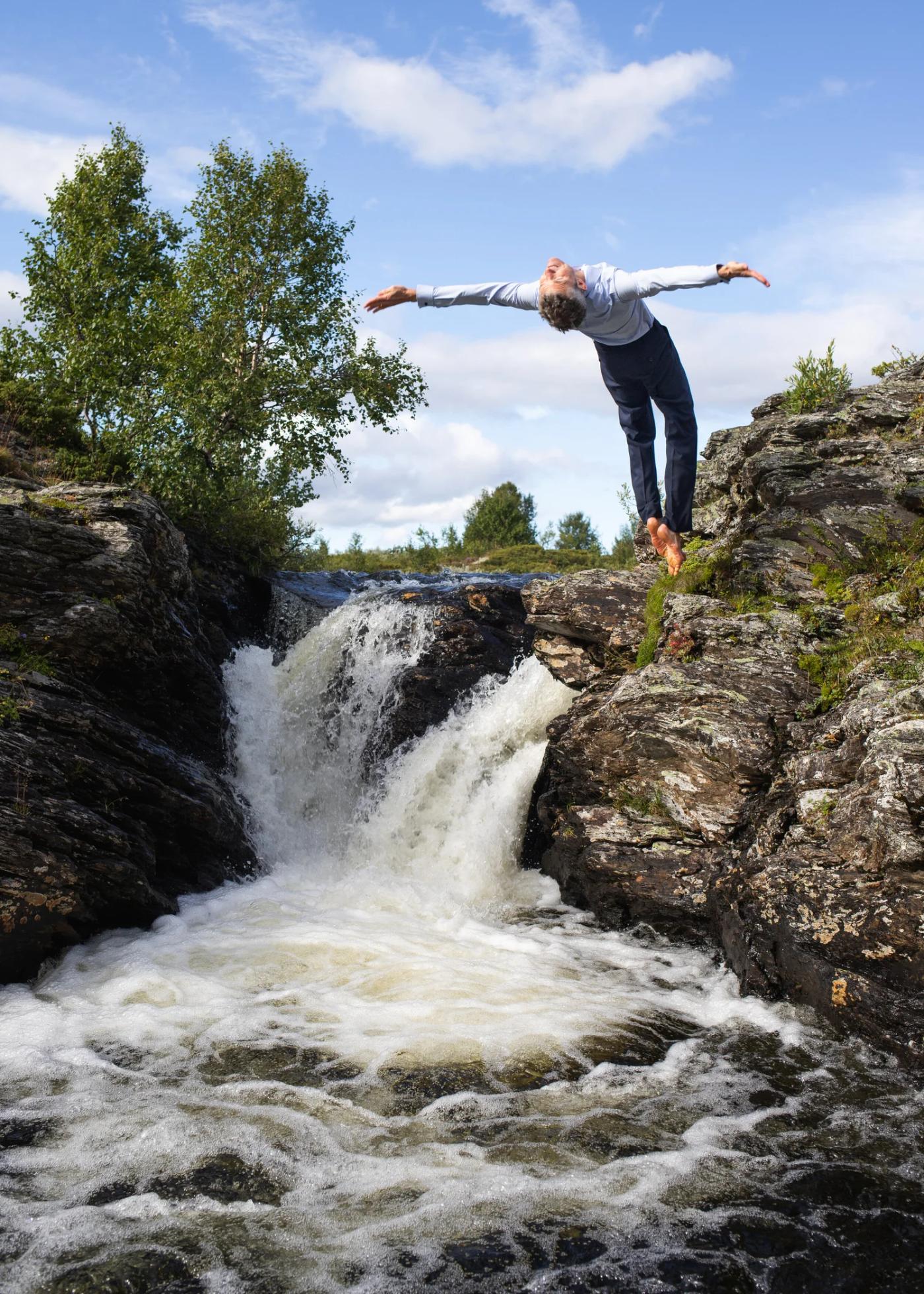
"First of all, I feel enormous joy and gratitude for life. Of course I meet challenges in everyday life like everyone else, but what yoga has given me is so beautiful and uplifting that I feel my greatest responsibility is to look after it and pass it on as well as I can. Given my patchy past, and that I am a dandelion child, the least I can do is serve others and share my experience of yoga. It is my strength, my capital and my wealth. That in itself is a force that builds up, releases and brings new insights.
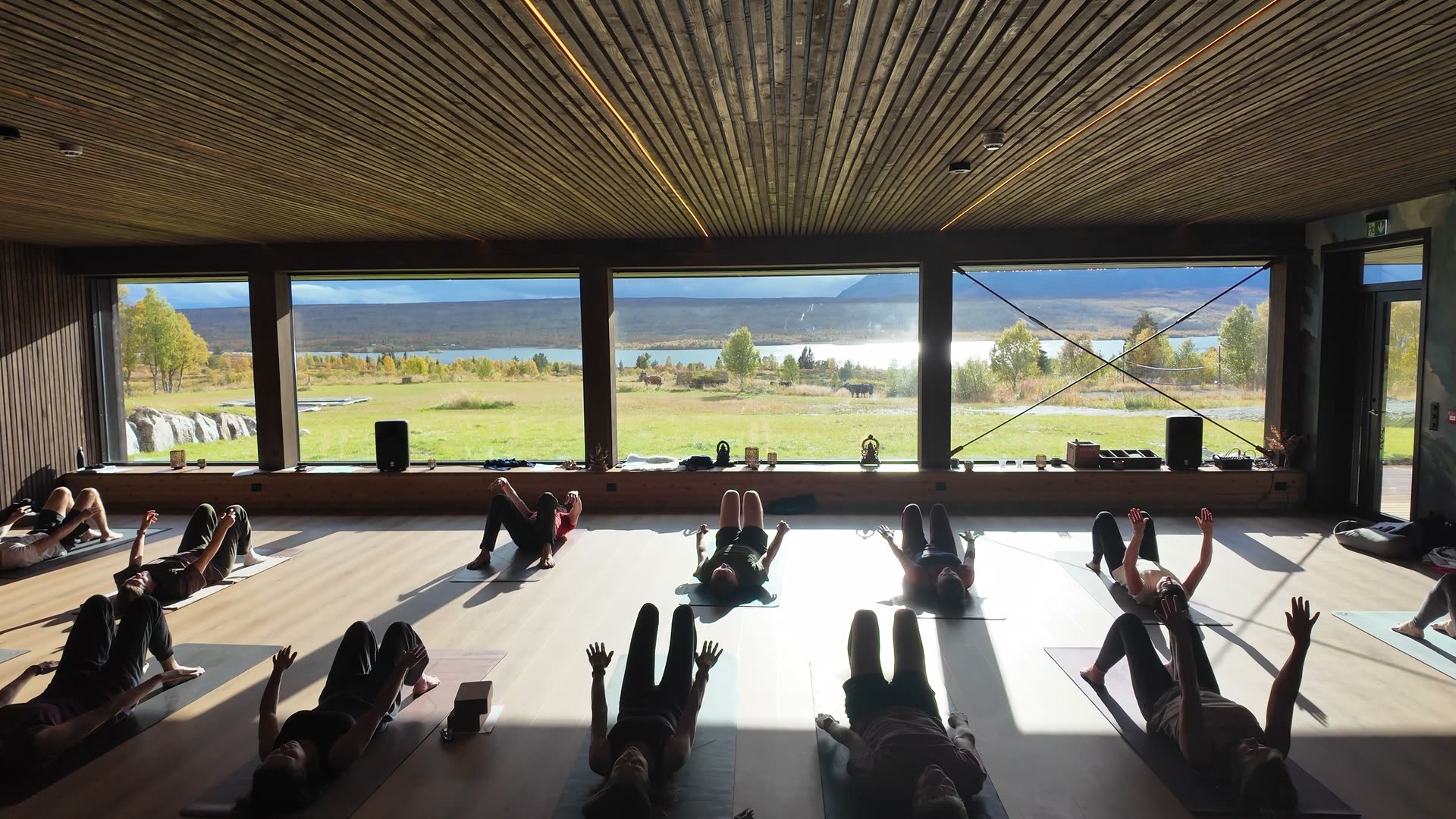
To answer your points more concretely, I must honestly admit there has been too little sleep for over 20 years. But luckily I have a solid yoga practice and meditation every morning that lets me reset, recharge and find clarity and focus. Nothing lifts me more than those early mornings, before the family wakes and the chaos begins. If I get 60 to 90 minutes of calm, steady yoga practice, I can mostly meet the day's challenges with stoic calm. The inner support I find in practice lets me relax better in challenges and become more solution-oriented in the many problems of everyday life. So I rarely take a dark view of anything. Yoga also brings an inner joy that gives me positive energy in meeting others.
As for interruptions, they have become a few too many in recent years. But I have also got better at protecting myself and at prioritising what matters now and what can wait. And I have a fantastic team around me. We complement each other well in our different roles, we share some basic values, and we trust that everyone takes responsibility in their own area. For me it is in the end about service: being able to serve and be a resource. I get lots of energy from contributing, and most importantly I keep learning something new, about my own mind and others'. To keep it short, the art is in learning to prioritise what matters. You can only do one thing at a time. If you do it well and thoroughly, time is freed, you feel the joy of letting go with a clear conscience, and you are ready for new challenges. To me that is a good life: the small moments when I find focus, undisturbed clarity and presence.
As for exercise, I am good at getting out into the mountains. I like to move. Sadly I have too little time to read books, and I miss that, but I find enormous joy in all the people who come to Nøsen and those I meet in the work with BITR. Looking after good friendships matters, and I must honestly admit I have a lot of room for improvement there, in setting aside more time for good friends. But right now I am also in a phase with small children, and they always come first."

The art of prioritising, working with good people, yoga practice and meditation. We believe you, and we can see it works! But with so many balls in the air, there must be conflicts too. How do you stop conflicts draining you, and do you have a recipe for solving them?
"First, I must admit that not all conflicts can be solved, and you have to learn to live with that. I am not someone who avoids conflict either; I like a little friction to work things out. What matters to me is fairness, and the ability to find clarity, understanding and cooperation. If I realise I am wrong, have done wrong or been a bit unkind to someone, I always try to hold my hands up and make peace. But if you ask for a recipe: 1. Do not be afraid of conflicts. 2. Meet them with openness and understanding. 3. If the fault is yours, apologise. 4. If that does not work, let go and move on."
Translated from Norwegian.